Friday, March 26, 2010 An Eight Period Day
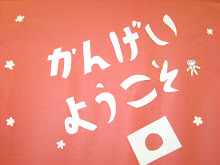
This was the last day in school for KJ students and their teacher, Mr. Sekiguchi. Tomorrow host families will bring them to Payton so that they can go on a huge group field trip with their fellow KJ students who are staying at ETHS and Glenbrook South High School. At 4:00 p.m. they will return to Payton and go home with their "buddies" to spend one last night in Chicago. On Sunday, the airport bus will leave Payton parking lot at 7:30 a.m., after we all sadly say, さよなら。
JAPANESE 3 -- First period
KJ visitors gave a 3-part demonstration –
1. なんでもバスケット Japanese Game
(a little bit like musical chairs – the person who is “it” is called the おに)
2.した きり すずめ Japanese Play
(based on the traditional folktale, The Tongue-Cut Sparrow)
The moral of the story is, show restraint, and don’t be greedy, in other words, 遠慮 えんりょ。
3.よさこい ソーラン Japanese Dance
This song is about fishing and seeks to promote catching a lot of fish.
Be sure to register with Japanese site on Moodle.
JAPANESE 1 – Fifth period。
Khepereh R. helped out by videoing the class today.
KJ visitors gave a 3-part demonstration –
1. なんでもバスケット Japanese Game
(a little bit like musical chairs – the person who is “it” is called the おに)
2.した きり すずめ Japanese Play
(based on the traditional folktale, The Tongue-Cut Sparrow)
The moral of the story is, show restraint, and don’t be greedy, in other words, 遠慮 えんりょ。
3.よさこい ソーラン Japanese Dance
This song is about fishing and seeks to promote catching a lot of fish.
The KJ students also sang their school song for us, while we followed along, looking at the musical score.
Be sure to register with Japanese site on Moodle。
JAPANESE 2 Sixth Period
KJ visitors gave a 3-part demonstration –
1. なんでもバスケット Japanese Game
(a little bit like musical chairs – the person who is “it” is called the おに)
2.した きり すずめ Japanese Play
(based on the traditional folktale, The Tongue-Cut Sparrow)
The moral of the story is, show restraint, and don’t be greedy, in other words, 遠慮 えんりょ。
3.よさこい ソーラン Japanese Dance
This song is about fishing and seeks to promote catching a lot of fish.
The KJ students also sang their school song for us, while we followed along, looking at the musical score.
Be sure to register with Japanese site on Moodle。
Reminder: We all must be polite in the Japanese language classroom. Not only is it important in our lives in general – it is an essential part of Japanese culture. ください、おねがい します、ありがとう、すみません Are the most important words and phrases in Japanese.
JAPANESE 4 and AP – Seventh period
Mr. Matsui, who arranged KJ’s trip, came to take photos, and Kimmel Sensei used to video camera to try to film the class.
KJ visitors gave a 3-part demonstration –
1. なんでもバスケット Japanese Game
(a little bit like musical chairs – the person who is “it” is called the おに)
2.した きり すずめ Japanese Play
(based on the traditional folktale, The Tongue-Cut Sparrow)
The moral of the story is, show restraint, and don’t be greedy, in other words, 遠慮 えんりょ。
3.よさこい ソーラン Japanese Dance
This song is about fishing and seeks to promote catching a lot of fish.
The KJ students also sang their school song for us, while we followed along, looking at the musical score.
Friday, March 26, 2010
March 25, 2010 A Seminar Day
The Japan Exchange Seminar and our KJ High School guests went on a field trip. Everyone rode in a coach bus to the Museum of Science and Industry and to Garfield Park Conservatory. After returning to Payton at about 3:45 p.m., everyone waited in room 110 until it was time to attend a party at Ray T.'s house. People walked together to the N. Orleans Street home in Old Town. Mrs. T. made hamburgers, hot dogs, a raw vegetable platter, and delicious cupcakes for everyone.

Wednesday, March 24, 2010
March 24, 2010 A Block Two Day
Wednesday, March 24, 2010 A Block Two Day
JAPAN EXCHANGE:
KJ students attend classes with their Payton hosts. Ms. Koyasu visited Payton with Mr. Sekiguchi and Ms. Yamazaki
All KJ students went to the gym during second block (“3rd period), where Mr. Kuchii taught students how to do the ropes course overhead. Some students also used the climbing wall, supervised by Mr. Escobar.
JAPANESE 3 -- First period
This class does not meet on Block Two days.
JAPANESE 1 – Fifth period。
This class was observed by Mr. Sekiguchi and Ms. Koyasu.
Students and adults lined up, first in hiragana/katakana order, and then in alphabetical order. Then KJ guests taught us youth slang, わかもの の ことば、”young people’s words” as follows:
ケータイ cell phone
ヤバイ OMG
マジ really
超 ちょう very, extremely (a prefix)
イケメン a cool guy
うける funny
どんだけー response to a joke, whether good or bad
いみふ
(意味不)”no meaning” or “I don’t understand”
いたい=
かわいそう pitiable
ぱくる=ぬすむ to steal, take
とりま
(とりあえず まあ) “well, first of all”
We listened to part A in the listening portion of Kimono 6 (workbook)
Be sure to register with Japanese site on Moodle。
JAPANESE 2 Sixth Period
This class also discussed the expressions presented in Japanese 1
ケータイ cell phone
ヤバイ OMG
マジ really
超 ちょう very, extremely (a prefix)
イケメン a cool guy
うける funny
どんだけー response to a joke, whether good or bad
いみふ
(意味不)”no meaning” or “I don’t understand”
いたい=
かわいそう pitiable
ぱくる=ぬすむ to steal, take
とりま
(とりあえず まあ) “well, first of all”
Class learned about asking permission: verb form て も いい です か。
Class started Lesson 6 of 2 Kimono – Terry’s Babysitting
Be sure to register with Japanese site on Moodle。
Reminder: We all must be polite in the Japanese language classroom. Not only is it important in our lives in general – it is an essential part of Japanese culture. ください、おねがい します、ありがとう、すみません Are the most important words and phrases in Japanese.
JAPANESE 4 and AP – Seventh period
Students read along while KJ guests read next lesson, lesson 7 in “A Homestay in Japan”
KJ students presented their own slang, and Payton students taught American slang:
slang lesson -- Japanese 4 and AP
ぱない=かわったこと different, abnormal
神 (かみ)Great like すごい
ガチ=まじ=本当の Really
白ける=がっかり する to be disappointed
Lame= not cool= boring
Raw=cool, awesome
Treated=put down =denigrated
Cray-cray= crazy
Legit=popular abbreviation for legitimate=legal, acceptable
Kicks=sneakers
…that’s what she said
AP and Jpn 4 students listened to #18, “Health” in “Strive for a Five”
Also, we got copies of the KJ school song and practiced singing it.
JAPAN EXCHANGE:
KJ students attend classes with their Payton hosts. Ms. Koyasu visited Payton with Mr. Sekiguchi and Ms. Yamazaki
All KJ students went to the gym during second block (“3rd period), where Mr. Kuchii taught students how to do the ropes course overhead. Some students also used the climbing wall, supervised by Mr. Escobar.
JAPANESE 3 -- First period
This class does not meet on Block Two days.
JAPANESE 1 – Fifth period。
This class was observed by Mr. Sekiguchi and Ms. Koyasu.
Students and adults lined up, first in hiragana/katakana order, and then in alphabetical order. Then KJ guests taught us youth slang, わかもの の ことば、”young people’s words” as follows:
ケータイ cell phone
ヤバイ OMG
マジ really
超 ちょう very, extremely (a prefix)
イケメン a cool guy
うける funny
どんだけー response to a joke, whether good or bad
いみふ
(意味不)”no meaning” or “I don’t understand”
いたい=
かわいそう pitiable
ぱくる=ぬすむ to steal, take
とりま
(とりあえず まあ) “well, first of all”
We listened to part A in the listening portion of Kimono 6 (workbook)
Be sure to register with Japanese site on Moodle。
JAPANESE 2 Sixth Period
This class also discussed the expressions presented in Japanese 1
ケータイ cell phone
ヤバイ OMG
マジ really
超 ちょう very, extremely (a prefix)
イケメン a cool guy
うける funny
どんだけー response to a joke, whether good or bad
いみふ
(意味不)”no meaning” or “I don’t understand”
いたい=
かわいそう pitiable
ぱくる=ぬすむ to steal, take
とりま
(とりあえず まあ) “well, first of all”
Class learned about asking permission: verb form て も いい です か。
Class started Lesson 6 of 2 Kimono – Terry’s Babysitting
Be sure to register with Japanese site on Moodle。
Reminder: We all must be polite in the Japanese language classroom. Not only is it important in our lives in general – it is an essential part of Japanese culture. ください、おねがい します、ありがとう、すみません Are the most important words and phrases in Japanese.
JAPANESE 4 and AP – Seventh period
Students read along while KJ guests read next lesson, lesson 7 in “A Homestay in Japan”
KJ students presented their own slang, and Payton students taught American slang:
slang lesson -- Japanese 4 and AP
ぱない=かわったこと different, abnormal
神 (かみ)Great like すごい
ガチ=まじ=本当の Really
白ける=がっかり する to be disappointed
Lame= not cool= boring
Raw=cool, awesome
Treated=put down =denigrated
Cray-cray= crazy
Legit=popular abbreviation for legitimate=legal, acceptable
Kicks=sneakers
…that’s what she said
AP and Jpn 4 students listened to #18, “Health” in “Strive for a Five”
Also, we got copies of the KJ school song and practiced singing it.
Tuesday, March 23, 2010
March 23, 2010 A Block One Day
Tuesday, March 23, 2010 A Block One Day
JAPAN EXCHANGE:
The day began with Welcome Breakfast in room 110, which morphed into the first period class.
During 8th period (4th block) KJ guests went out to lunch at Café La Sera. Mrs. Estrada and Mr. Hermes joined us.
After school Asian-American Club had a meeting in room 110. Lalita and Alisa A. brought food from their father's restaurant. Payton students danced in various styles and taught dances to our guests.
JAPANESE 3 -- First period
1. All KJ-affiliated people (including Mr. Matsui and Ms. Yamazaki and Mr. Nozawa and Mr. Sekiguchi) and Payton personnel first lined up in hiragana/katakana order
2. All Kj and Payton personnel then lined up in alphabetical order
3. Sally C., Melisa C. and other students taught Cha Cha slide dance to KJ students, using video
4. Pictionary game, with Payton and KJ personnel on both teams, Team Yabai and Team Namako (sea slub) – Team Namako won
5. Whole group played Speed (Date) Friend, with KJ kids talking to five different Americans
6. Speed Write – 8 minutes to write, in Japanese or English, describing everything you remember about what happened in class today: people, clothes, food, events, etc.
7. Hot Seat – Esmeralda and Shou agreed to be interviewed by the group
Mr. Sekiguchi, Mr. Matsui, Ms. Yamazaki, and Mr. Nozawa observed, and sometimes participated.
Continuing to practice plain neg forms of verbs:
Gr. III: しない、来ない(こない)
Gr. II: 食べない、起きない(おきない)
Gr. I: 会わない(あわない)、立たない(たたない)、座らない(すわらない)、読まない(よまない)、とばない、書かない(かかない)、およがない、話さない(はなさない)
Be sure to register with Japanese site on Moodle.
JAPANESE 1 – Fifth period。
Work on hiragana puzzles for numbers and animals.
Then the following was projected on screen at the front of the class
Numbers(いっ)せん , にせん
さんぜん, よんせん
ごせん, ろくせん
ななせん , はっせん
きゅうせん, (いち)まん 10,000
にまん , さんまん
よんまん , ごまん
ろくまん, ななまん
はちまん , きゅうまん
じゅうまん= 100,000
Katakana words: Sports
ベースボール, バレーボール, ゴルフ, サッカー,スポーツ
Katakana words: nations and capitols)
スリジャヤワルダナプラコッテ(city in Sri Lanka)
アルゼンチン,ドイツ,アメリカ,イギリス
Katakana words: food
ラーメン,パイナップル,ドーナツ,スパゲッティー,ピザ
Counting times (o’clock), months, days of week, ages –
Sing hiragana/katakana song
Count by 7’s
じ - 時 – O-clock, a point in time
じかん - Hour (duration)an amount of time
Homework:
Be sure to register with Japanese site on Moodle。
JAPANESE 2 Sixth Period
Crossword puzzles with clues in Japanese, answers in English – lots of katakana.
Three people did Hot Seat: Mr. Sekiguchi, Nicole R., and Yuka K. sat and answered questions.
American students should be able to write one question that you can ask our guests for each of these categories:
おきゃくさま の
1. 好きな うた・おんがく
2. 好きな えいが
3. ことわざ
4. 食べもの
5. 日本 の でんせつ
6. ともだち に ついて
7. 好きな どうぶつ
8. こうこう の クラブ
9. テレビ ばんぐみ
10. ごかぞく
Try to do practice without help at first, but then you make look up what you don’t know in your text and your dictionary.
Be sure to register with Japanese site on Moodle。
Reminder: We all must be polite in the Japanese language classroom. Not only is it important in our lives in general – it is an essential part of Japanese culture. ください、おねがい します、ありがとう、すみません Are the most important words and phrases in Japanese.
JAPANESE 4 and AP – Seventh period
This class does not meet on Block One days.
JAPAN EXCHANGE:
The day began with Welcome Breakfast in room 110, which morphed into the first period class.
During 8th period (4th block) KJ guests went out to lunch at Café La Sera. Mrs. Estrada and Mr. Hermes joined us.
After school Asian-American Club had a meeting in room 110. Lalita and Alisa A. brought food from their father's restaurant. Payton students danced in various styles and taught dances to our guests.
JAPANESE 3 -- First period
1. All KJ-affiliated people (including Mr. Matsui and Ms. Yamazaki and Mr. Nozawa and Mr. Sekiguchi) and Payton personnel first lined up in hiragana/katakana order
2. All Kj and Payton personnel then lined up in alphabetical order
3. Sally C., Melisa C. and other students taught Cha Cha slide dance to KJ students, using video
4. Pictionary game, with Payton and KJ personnel on both teams, Team Yabai and Team Namako (sea slub) – Team Namako won
5. Whole group played Speed (Date) Friend, with KJ kids talking to five different Americans
6. Speed Write – 8 minutes to write, in Japanese or English, describing everything you remember about what happened in class today: people, clothes, food, events, etc.
7. Hot Seat – Esmeralda and Shou agreed to be interviewed by the group
Mr. Sekiguchi, Mr. Matsui, Ms. Yamazaki, and Mr. Nozawa observed, and sometimes participated.
Continuing to practice plain neg forms of verbs:
Gr. III: しない、来ない(こない)
Gr. II: 食べない、起きない(おきない)
Gr. I: 会わない(あわない)、立たない(たたない)、座らない(すわらない)、読まない(よまない)、とばない、書かない(かかない)、およがない、話さない(はなさない)
Be sure to register with Japanese site on Moodle.
JAPANESE 1 – Fifth period。
Work on hiragana puzzles for numbers and animals.
Then the following was projected on screen at the front of the class
Numbers(いっ)せん , にせん
さんぜん, よんせん
ごせん, ろくせん
ななせん , はっせん
きゅうせん, (いち)まん 10,000
にまん , さんまん
よんまん , ごまん
ろくまん, ななまん
はちまん , きゅうまん
じゅうまん= 100,000
Katakana words: Sports
ベースボール, バレーボール, ゴルフ, サッカー,スポーツ
Katakana words: nations and capitols)
スリジャヤワルダナプラコッテ(city in Sri Lanka)
アルゼンチン,ドイツ,アメリカ,イギリス
Katakana words: food
ラーメン,パイナップル,ドーナツ,スパゲッティー,ピザ
Counting times (o’clock), months, days of week, ages –
Sing hiragana/katakana song
Count by 7’s
じ - 時 – O-clock, a point in time
じかん - Hour (duration)an amount of time
Homework:
Be sure to register with Japanese site on Moodle。
JAPANESE 2 Sixth Period
Crossword puzzles with clues in Japanese, answers in English – lots of katakana.
Three people did Hot Seat: Mr. Sekiguchi, Nicole R., and Yuka K. sat and answered questions.
American students should be able to write one question that you can ask our guests for each of these categories:
おきゃくさま の
1. 好きな うた・おんがく
2. 好きな えいが
3. ことわざ
4. 食べもの
5. 日本 の でんせつ
6. ともだち に ついて
7. 好きな どうぶつ
8. こうこう の クラブ
9. テレビ ばんぐみ
10. ごかぞく
Try to do practice without help at first, but then you make look up what you don’t know in your text and your dictionary.
Be sure to register with Japanese site on Moodle。
Reminder: We all must be polite in the Japanese language classroom. Not only is it important in our lives in general – it is an essential part of Japanese culture. ください、おねがい します、ありがとう、すみません Are the most important words and phrases in Japanese.
JAPANESE 4 and AP – Seventh period
This class does not meet on Block One days.
Monday, March 22, 2010
March 22, 2010 An Eight Period Day
Monday, March 22, 2010 An Eight Period Day
JAPANESE 3 -- First period
Interview 3 Payton students and 2 KJ students
seichou ni shitara nani ga shitai desu ka. 成長にしたら何がしたいですか。
___ ni naritai to iimashita. ____になりたいと言いました。
kangofu, bengoshi, isha, suidouya, haisha, shufu, kenchikuka,
看護婦かんごふ、弁護士べんごし、医者いしゃ、水道屋すいどうや、歯医者はいしゃ、主婦しゅふ、建築家けんちくか、Etc.
KJ no gakumon/jugyou -- which courses are most difficult?
KJの授業(じゅぎょう)の中でどれが一番(いちばん)むずかしいですか。
and we counted off
butsurigaku 物理学
suugaku 数学
seibutusugaku 生靴額
geijutsu (bijutsu, shodou, ongaku) 芸術(美術、書道、音楽)
eigo 英語
nihongo 日本語
gendai shakai 現代社会
sekai-shi 世界史
tai-iku 体育
Pauton students should be able to ask questions about the following subjects in Japanese when interviewing our KJ guests :
おきゃくさま の
1. 好きな うた・おんがく
2. 好きな えいが
3. ことわざ
4. 食べもの
5. 日本 の でんせつ
6. ともだち に ついて
7. 好きな どうぶつ
8. こうこう の クラブ
9. テレビ ばんぐみ
10. ごかぞく
11. 絵ゲーム Pictionary
12. Dance:
a. Cupid Shuffle
b. Cha Cha Slide
c. Algorithm March (Maybe KJ kids could teach us)
JAPANESE 1 – Fifth period。
Counting times (o’clock), months, days of week, ages –
Sing “Sakura” and “Hanako-san no makiba de…”
On board:
(わたし の) となり(さん) の ねこ は ______ ねこ です。
Put different adjectives in the blank.
Put different people in place of Tonari-sann
Put different animals in place of cat.
Americans write 5 different sentences and KJ guests help them.
じ - 時 – O-clock, a point in time
じかん - Hour (duration)an amount of time
JAPANESE 1 – Fifth period。
Counting times (o’clock), months, days of week, ages –
Sing “Sakura” and “Hanako-san no makiba de…”
On board:
(わたし の) となり(さん) の ねこ は ______ ねこ です。
Put different adjectives in the blank.
Put different people in place of Tonari-sann
Put different animals in place of cat.
Americans write 5 different sentences and KJ guests help them.
じ - 時 – O-clock, a point in time
じかん - Hour (duration)an amount of time
JAPANESE 1 – Fifth period。
Counting times (o’clock), months, days of week, ages –
Sing “Sakura” and “Hanako-san no makiba de…”
On board:
(わたし の) となり(さん) の ねこ は ______ ねこ です。
Put different adjectives in the blank.
Put different people in place of Tonari-sann
Put different animals in place of cat.
Americans write 5 different sentences and KJ guests help them.
じ - 時 – O-clock, a point in time
じかん - Hour (duration)an amount of time
JAPANESE 4 and AP – Seventh period
Jiko-shoukai by guests – our kids take notes and report back in Japanese.
Proverbs and tongue-twisters
Hand out pictures to two groups – each group must explain to others in Japanese
Discussion in Japanese regarding the topics below. Payton students should be able to ask the following questions in Japanese when interviewing our KJ guests :
おきゃくさま の
1. 好きな うた・おんがく
2. 好きな えいが
3. ことわざ
4. 食べもの
5. 日本 の でんせつ
6. ともだち に ついて
7. 好きな どうぶつ
8. こうこう の クラブ
9. テレビ ばんぐみ
10. ごかぞく
11. 暇なとき、趣味、興味
12. 前の旅行
13. 絵ゲーム Pictionary
14. Dance:
a. Cupid Shuffle
b. Cha Cha Slide
d. Algorithm March (Maybe KJ kids could teach us)
15. speed date conversations
JAPANESE 3 -- First period
Interview 3 Payton students and 2 KJ students
seichou ni shitara nani ga shitai desu ka. 成長にしたら何がしたいですか。
___ ni naritai to iimashita. ____になりたいと言いました。
kangofu, bengoshi, isha, suidouya, haisha, shufu, kenchikuka,
看護婦かんごふ、弁護士べんごし、医者いしゃ、水道屋すいどうや、歯医者はいしゃ、主婦しゅふ、建築家けんちくか、Etc.
KJ no gakumon/jugyou -- which courses are most difficult?
KJの授業(じゅぎょう)の中でどれが一番(いちばん)むずかしいですか。
and we counted off
butsurigaku 物理学
suugaku 数学
seibutusugaku 生靴額
geijutsu (bijutsu, shodou, ongaku) 芸術(美術、書道、音楽)
eigo 英語
nihongo 日本語
gendai shakai 現代社会
sekai-shi 世界史
tai-iku 体育
Pauton students should be able to ask questions about the following subjects in Japanese when interviewing our KJ guests :
おきゃくさま の
1. 好きな うた・おんがく
2. 好きな えいが
3. ことわざ
4. 食べもの
5. 日本 の でんせつ
6. ともだち に ついて
7. 好きな どうぶつ
8. こうこう の クラブ
9. テレビ ばんぐみ
10. ごかぞく
11. 絵ゲーム Pictionary
12. Dance:
a. Cupid Shuffle
b. Cha Cha Slide
c. Algorithm March (Maybe KJ kids could teach us)
JAPANESE 1 – Fifth period。
Counting times (o’clock), months, days of week, ages –
Sing “Sakura” and “Hanako-san no makiba de…”
On board:
(わたし の) となり(さん) の ねこ は ______ ねこ です。
Put different adjectives in the blank.
Put different people in place of Tonari-sann
Put different animals in place of cat.
Americans write 5 different sentences and KJ guests help them.
じ - 時 – O-clock, a point in time
じかん - Hour (duration)an amount of time
JAPANESE 1 – Fifth period。
Counting times (o’clock), months, days of week, ages –
Sing “Sakura” and “Hanako-san no makiba de…”
On board:
(わたし の) となり(さん) の ねこ は ______ ねこ です。
Put different adjectives in the blank.
Put different people in place of Tonari-sann
Put different animals in place of cat.
Americans write 5 different sentences and KJ guests help them.
じ - 時 – O-clock, a point in time
じかん - Hour (duration)an amount of time
JAPANESE 1 – Fifth period。
Counting times (o’clock), months, days of week, ages –
Sing “Sakura” and “Hanako-san no makiba de…”
On board:
(わたし の) となり(さん) の ねこ は ______ ねこ です。
Put different adjectives in the blank.
Put different people in place of Tonari-sann
Put different animals in place of cat.
Americans write 5 different sentences and KJ guests help them.
じ - 時 – O-clock, a point in time
じかん - Hour (duration)an amount of time
JAPANESE 4 and AP – Seventh period
Jiko-shoukai by guests – our kids take notes and report back in Japanese.
Proverbs and tongue-twisters
Hand out pictures to two groups – each group must explain to others in Japanese
Discussion in Japanese regarding the topics below. Payton students should be able to ask the following questions in Japanese when interviewing our KJ guests :
おきゃくさま の
1. 好きな うた・おんがく
2. 好きな えいが
3. ことわざ
4. 食べもの
5. 日本 の でんせつ
6. ともだち に ついて
7. 好きな どうぶつ
8. こうこう の クラブ
9. テレビ ばんぐみ
10. ごかぞく
11. 暇なとき、趣味、興味
12. 前の旅行
13. 絵ゲーム Pictionary
14. Dance:
a. Cupid Shuffle
b. Cha Cha Slide
d. Algorithm March (Maybe KJ kids could teach us)
15. speed date conversations
Friday, March 19, 2010
March 19, 2010 An Eight Period Day
Friday, March 19, 2010 An Eight Period Day
JAPANESE 3 -- First period
Pauton students should be able to ask questions about the following subjects in Japanese when interviewing our KJ guests :
おきゃくさま の
1. 好きな うた・おんがく
2. 好きな えいが
3. ことわざ
4. 食べもの
5. 日本 の でんせつ
6. ともだち に ついて
7. 好きな どうぶつ
8. こうこう の クラブ
9. テレビ ばんぐみ
10. ごかぞく
11. 絵ゲーム Pictionary
12. Dance:
a. Cupid Shuffle
b. Cha Cha Slide
c. Algorithm March (Maybe KJ kids could teach us)
Students handed in literature-in-translation project: student’s own reflections on the literature. This project is not about literary analysis. DUE DATE IS MARCH 19th. NO EXTENSIONS.
Get started RIGHT AWAY. So far, students have chosen (and received approval) as follows:
Bundit T., Endo Shusaku’s “The Sea and Poison”
Pranee P., Ariyoshi Sawako’s “The Twilight Years”
Esmeralda T., Dazai Osamu’s “Run, Melos! and Other Stories” (a short story collection) (approval is tentative)
Jamie H., Natsume Soseki’s “I Am a Cat” (may change)
Melisa C., Kawabata Yasunari’s “Snow Country”
Susana S., Abe Kobo’s “The Box Man”
D.J. M., Tanizaki Junichiro’s “Naomi” or ….
Sally C., Murasaki Shikibu’s “Tale of Genji” (which translation?)
Karen Y., Mishima Yukio’s “Spring Snow”
Yasmin P., Murasaki Shikibu’s “Diary of Lady Murasaki”
Sofia F., Oe Kenzaburo’s “’Teach Us to Outgrow Our Madness’ and Other Stories”
Tori A., Dazai Osamu’s “The Setting Sun”
Naomi M., Mishima Yukio’s “Confessions of a Mask”
Rachel G., Oe Kenzaburo’s “ The Silent Cry “
(Sally C. handed in Murakami Haruki’s “After Dark” for extra credit)
Continuing to practice plain neg forms of verbs:
Gr. III: しない、来ない(こない)
Gr. II: 食べない、起きない(おきない)
Gr. I: 会わない(あわない)、立たない(たたない)、座らない(すわらない)、読まない(よまない)、とばない、書かない(かかない)、およがない、話さない(はなさない)
Be sure to register with Japanese site on Moodle.
JAPANESE 1 – Fifth period。
Discussion of questions we might ask our guests.
1. どの (Which) うた・おんがく が すき です か。
2. えいが が すき です か。アヴァター を みました か。
3. 日本 の ことわざ を いって ください。
4. アメリカ の 食べもの が すき です か。 なに が おいしい です か。
5. ももたろう は 日本 の でんせつ です。 すき です か。
6. ともだち の なまえ は なん です か。
7. わたし は いぬ が すき です。 どうぶつ が すき です か。
8. KJ の クラブ は なん です か。
9. どの テレビ ばんぐみ が すき です か。
10. ごかぞく は?
Homework:
1着物6:蛙の週末{ウイークエンド}
かえる の ウイークエンド
1. 土よう日 に かえる は まんが を 読みました。{よ}
2. かえる は まんが が すき です。
3. それから、一じ はん に かえる は ピザ を 食べました。{た}
4. おかあさん の おいしい ピザ でした。{was}
5. おばあさん は ラジオ を 聞きました。{き}
6. でも かえる は テレビ を 見ました。{み}
7. かえる は ラジオ が すき じゃ ない です。
8. 九じ はん に かえる は ねました。{went to bed}
9. おやすみなさい。
10.日よう日 に ….. Write all negatives for sentences 10 – 18
Notes:
Negative past ending is …ませんでした
Negative for です is で は ありません
Negative for でした is で は ありませんでした
じ - 時 – O-clock, a point in time
じかん - Hour (duration)an amount of time
Homework:
Pages 102, 103 in workbook
At 3 o‘clock I went to bed.
Incorrect:
に さん 時 わたし は しました ねむり。
Correct:
三 時 に わたし は ねました。
Sentence structure on board yesterday.
Time に Subject は __direct object___ を Verb
Homework:
Write one sentence for each of the twelve hours of the clock, stating what you did at that time. This doesn’t have to be factual. You are practicing the structure.
Example (do not use this): 一 じ に わたし は おちゃ を のみました。
Be sure to register with Japanese site on Moodle。
JAPANESE 2 Sixth Period
Write one question that you can ask our guests for each of these categories:
おきゃくさま の
1. 好きな うた・おんがく
2. 好きな えいが
3. ことわざ
4. 食べもの
5. 日本 の でんせつ
6. ともだち に ついて
7. 好きな どうぶつ
8. こうこう の クラブ
9. テレビ ばんぐみ
10. ごかぞく
11. 絵ゲーム Pictionary
Try to do practice without help at first, but then you make look up what you don’t know in your text and your dictionary.
In-class translation assignment, was due this past Friday:
1. あり と せみ と くも と けむし は 四ひき の ともだち です。 (ant, cicada, spider, caterpillar)
2. なつやすみ に 四ひき の ともだち は こうえん に いきます。
3. 「こうえん で あそびましょう。」って
4. きょう は 六月十一日 です。
5. おてんき が とても いい です。
6. あり と せみ と くも と けむし は 木 の うえ に います。
7. おとこ の ひと{ 男の人} と おんな の ひと {女の人} が 木 の した で(に) 四人 すわって います。
8. 男の人 は ジーンズ を はいて いて、ポロシャツ を きて います。
9. おてんき が あつい で 男の人 は くつ(シューズ)を はいて いません。
10. 女の人 は スカート と サンダル を はいて いて タンクトップ を きて います。
11. でも 人々(ひとびとーーPeople) は ちいさい どうぶつ(Animals)が こわい です。
12. 人々 は あり と せみ と くも と けむし を 見ます。
13. 「むし が いや です よ」って
14. 「にげましょう!(Let‘s run away)」
15. むし は 「いい です ね。いま こうえん は あぶなくない です。あそびましょう。」って
16. いっしょ に おいしい ピックニック を 食べます。
Be sure to register with Japanese site on Moodle。
Reminder: We all must be polite in the Japanese language classroom. Not only is it important in our lives in general – it is an essential part of Japanese culture. ください、おねがい します、ありがとう、すみません Are the most important words and phrases in Japanese.
JAPANESE 4 and AP – Seventh period
Discussion in Japanese regarding the topics below. Payton students should be able to ask the following questions in Japanese when interviewing our KJ guests :
おきゃくさま の
1. 好きな 歌 うた・音楽 おんがく
2. 好きな 映画 えいが
3. 諺 ことわざ
4. 食べ物
5. 日本 の 伝説 でんせつ
6. 友達 に ついて
7. 好きな 動物 どうぶつ
8. 高校 の クラブ
9. テレビ 番組 ばんぐみ
10. ご家族 ごかぞく
11. 暇なとき、趣味、興味
12. 前の旅行
13. 絵ゲーム Pictionary
14. Dance:
a. Cupid Shuffle
b. Cha Cha Slide
d. Algorithm March (Maybe KJ kids could teach us)
15. speed date conversations
Elizabeth A. made her cultural presentations in class. Anton H. will present on the next block day, next Wednesday.
Presentation should be 4 minutes long – they are big topics. AP and 4th year people should supply Japanese vocabulary lists to everyone in the class. Students may speak from notes, but not from text-with-sentences.
JAPANESE 3 -- First period
Pauton students should be able to ask questions about the following subjects in Japanese when interviewing our KJ guests :
おきゃくさま の
1. 好きな うた・おんがく
2. 好きな えいが
3. ことわざ
4. 食べもの
5. 日本 の でんせつ
6. ともだち に ついて
7. 好きな どうぶつ
8. こうこう の クラブ
9. テレビ ばんぐみ
10. ごかぞく
11. 絵ゲーム Pictionary
12. Dance:
a. Cupid Shuffle
b. Cha Cha Slide
c. Algorithm March (Maybe KJ kids could teach us)
Students handed in literature-in-translation project: student’s own reflections on the literature. This project is not about literary analysis. DUE DATE IS MARCH 19th. NO EXTENSIONS.
Get started RIGHT AWAY. So far, students have chosen (and received approval) as follows:
Bundit T., Endo Shusaku’s “The Sea and Poison”
Pranee P., Ariyoshi Sawako’s “The Twilight Years”
Esmeralda T., Dazai Osamu’s “Run, Melos! and Other Stories” (a short story collection) (approval is tentative)
Jamie H., Natsume Soseki’s “I Am a Cat” (may change)
Melisa C., Kawabata Yasunari’s “Snow Country”
Susana S., Abe Kobo’s “The Box Man”
D.J. M., Tanizaki Junichiro’s “Naomi” or ….
Sally C., Murasaki Shikibu’s “Tale of Genji” (which translation?)
Karen Y., Mishima Yukio’s “Spring Snow”
Yasmin P., Murasaki Shikibu’s “Diary of Lady Murasaki”
Sofia F., Oe Kenzaburo’s “’Teach Us to Outgrow Our Madness’ and Other Stories”
Tori A., Dazai Osamu’s “The Setting Sun”
Naomi M., Mishima Yukio’s “Confessions of a Mask”
Rachel G., Oe Kenzaburo’s “ The Silent Cry “
(Sally C. handed in Murakami Haruki’s “After Dark” for extra credit)
Continuing to practice plain neg forms of verbs:
Gr. III: しない、来ない(こない)
Gr. II: 食べない、起きない(おきない)
Gr. I: 会わない(あわない)、立たない(たたない)、座らない(すわらない)、読まない(よまない)、とばない、書かない(かかない)、およがない、話さない(はなさない)
Be sure to register with Japanese site on Moodle.
JAPANESE 1 – Fifth period。
Discussion of questions we might ask our guests.
1. どの (Which) うた・おんがく が すき です か。
2. えいが が すき です か。アヴァター を みました か。
3. 日本 の ことわざ を いって ください。
4. アメリカ の 食べもの が すき です か。 なに が おいしい です か。
5. ももたろう は 日本 の でんせつ です。 すき です か。
6. ともだち の なまえ は なん です か。
7. わたし は いぬ が すき です。 どうぶつ が すき です か。
8. KJ の クラブ は なん です か。
9. どの テレビ ばんぐみ が すき です か。
10. ごかぞく は?
Homework:
1着物6:蛙の週末{ウイークエンド}
かえる の ウイークエンド
1. 土よう日 に かえる は まんが を 読みました。{よ}
2. かえる は まんが が すき です。
3. それから、一じ はん に かえる は ピザ を 食べました。{た}
4. おかあさん の おいしい ピザ でした。{was}
5. おばあさん は ラジオ を 聞きました。{き}
6. でも かえる は テレビ を 見ました。{み}
7. かえる は ラジオ が すき じゃ ない です。
8. 九じ はん に かえる は ねました。{went to bed}
9. おやすみなさい。
10.日よう日 に ….. Write all negatives for sentences 10 – 18
Notes:
Negative past ending is …ませんでした
Negative for です is で は ありません
Negative for でした is で は ありませんでした
じ - 時 – O-clock, a point in time
じかん - Hour (duration)an amount of time
Homework:
Pages 102, 103 in workbook
At 3 o‘clock I went to bed.
Incorrect:
に さん 時 わたし は しました ねむり。
Correct:
三 時 に わたし は ねました。
Sentence structure on board yesterday.
Time に Subject は __direct object___ を Verb
Homework:
Write one sentence for each of the twelve hours of the clock, stating what you did at that time. This doesn’t have to be factual. You are practicing the structure.
Example (do not use this): 一 じ に わたし は おちゃ を のみました。
Be sure to register with Japanese site on Moodle。
JAPANESE 2 Sixth Period
Write one question that you can ask our guests for each of these categories:
おきゃくさま の
1. 好きな うた・おんがく
2. 好きな えいが
3. ことわざ
4. 食べもの
5. 日本 の でんせつ
6. ともだち に ついて
7. 好きな どうぶつ
8. こうこう の クラブ
9. テレビ ばんぐみ
10. ごかぞく
11. 絵ゲーム Pictionary
Try to do practice without help at first, but then you make look up what you don’t know in your text and your dictionary.
In-class translation assignment, was due this past Friday:
1. あり と せみ と くも と けむし は 四ひき の ともだち です。 (ant, cicada, spider, caterpillar)
2. なつやすみ に 四ひき の ともだち は こうえん に いきます。
3. 「こうえん で あそびましょう。」って
4. きょう は 六月十一日 です。
5. おてんき が とても いい です。
6. あり と せみ と くも と けむし は 木 の うえ に います。
7. おとこ の ひと{ 男の人} と おんな の ひと {女の人} が 木 の した で(に) 四人 すわって います。
8. 男の人 は ジーンズ を はいて いて、ポロシャツ を きて います。
9. おてんき が あつい で 男の人 は くつ(シューズ)を はいて いません。
10. 女の人 は スカート と サンダル を はいて いて タンクトップ を きて います。
11. でも 人々(ひとびとーーPeople) は ちいさい どうぶつ(Animals)が こわい です。
12. 人々 は あり と せみ と くも と けむし を 見ます。
13. 「むし が いや です よ」って
14. 「にげましょう!(Let‘s run away)」
15. むし は 「いい です ね。いま こうえん は あぶなくない です。あそびましょう。」って
16. いっしょ に おいしい ピックニック を 食べます。
Be sure to register with Japanese site on Moodle。
Reminder: We all must be polite in the Japanese language classroom. Not only is it important in our lives in general – it is an essential part of Japanese culture. ください、おねがい します、ありがとう、すみません Are the most important words and phrases in Japanese.
JAPANESE 4 and AP – Seventh period
Discussion in Japanese regarding the topics below. Payton students should be able to ask the following questions in Japanese when interviewing our KJ guests :
おきゃくさま の
1. 好きな 歌 うた・音楽 おんがく
2. 好きな 映画 えいが
3. 諺 ことわざ
4. 食べ物
5. 日本 の 伝説 でんせつ
6. 友達 に ついて
7. 好きな 動物 どうぶつ
8. 高校 の クラブ
9. テレビ 番組 ばんぐみ
10. ご家族 ごかぞく
11. 暇なとき、趣味、興味
12. 前の旅行
13. 絵ゲーム Pictionary
14. Dance:
a. Cupid Shuffle
b. Cha Cha Slide
d. Algorithm March (Maybe KJ kids could teach us)
15. speed date conversations
Elizabeth A. made her cultural presentations in class. Anton H. will present on the next block day, next Wednesday.
Presentation should be 4 minutes long – they are big topics. AP and 4th year people should supply Japanese vocabulary lists to everyone in the class. Students may speak from notes, but not from text-with-sentences.
Wednesday, March 17, 2010
March 17, 2010 A Block Two Day
Wednesday, March 17, 2010 A Block Two Day
JAPANESE 3 -- First period
This class does not meet on Block Two days.
JAPANESE 1 – Fifth period。
Iimashou san for Lesson 6 –
いいましょう 三
じかんひょう Time chart
Time chart and school subjects
じ - 時 – O-clock, a point in time
じかん - Hour (duration)an amount of time
Homework:
Pages 102, 103 in workbook
At 3 o‘clock I went to bed.
Incorrect:
に さん 時 わたし は しました ねむり。
Correct:
三 時 に わたし は ねました。
Sentence structure on board yesterday.
Time に Subject は __direct object___ を Verb
Homework:
Write one sentence for each of the twelve hours of the clock, stating what you did at that time. This doesn’t have to be factual. You are practicing the structure.
Example (do not use this): 一 じ に わたし は おちゃ を のみました。
Be sure to register with Japanese site on Moodle。
JAPANESE 2 Sixth Period
Students spoke in Japanese about each other’s fashion posters, which they took notes on yesterday.
Quinton H, Ami S., Perry H., Alice M., Camille W., Gavin C., Betty N., Nicole R., Darren G., and Jason D. spoke (Jason may redo)
Details of assignment:
Fashion Poster
1. Photo/drawing of attractive, well-dressed person.
2. Sentences describing what this person is wearing (be careful about verbs).
3. Give this person a name and invent a biography. Write sentences telling about this person: description, free time, family, likes-and-dislikes, etc.
4. All writing should be on the face of the poster.
5. Writing should be beautiful and clear and correct.
Last week there was pair work on the ともだち と の かいわ for this lesson. Students in pairs must expand this with data from the reading on the season. Be ready to hand it in on Monday. Each individual student in pair must have a copy of the revised conversation.
In-class translation assignment, was due this past Friday:
1. あり と せみ と くも と けむし は 四ひき の ともだち です。 (ant, cicada, spider, caterpillar)
2. なつやすみ に 四ひき の ともだち は こうえん に いきます。
3. 「こうえん で あそびましょう。」って
4. きょう は 六月十一日 です。
5. おてんき が とても いい です。
6. あり と せみ と くも と けむし は 木 の うえ に います。
7. おとこ の ひと{ 男の人} と おんな の ひと {女の人} が 木 の した で(に) 四人 すわって います。
8. 男の人 は ジーンズ を はいて いて、ポロシャツ を きて います。
9. おてんき が あつい で 男の人 は くつ(シューズ)を はいて いません。
10. 女の人 は スカート と サンダル を はいて いて タンクトップ を きて います。
11. でも 人々(ひとびとーーPeople) は ちいさい どうぶつ(Animals)が こわい です。
12. 人々 は あり と せみ と くも と けむし を 見ます。
13. 「むし が いや です よ」って
14. 「にげましょう!(Let‘s run away)」
15. むし は 「いい です ね。いま こうえん は あぶなくない です。あそびましょう。」って
16. いっしょ に おいしい ピックニック を 食べます。
Be sure to register with Japanese site on Moodle。
Reminder: We all must be polite in the Japanese language classroom. Not only is it important in our lives in general – it is an essential part of Japanese culture. ください、おねがい します、ありがとう、すみません Are the most important words and phrases in Japanese.
JAPANESE 4 and AP – Seventh period
Mike S. and Jenny J. made their cultural presentations in class. Mike spoke about clothing in Japan, with a powerpoint. Jenny spoke about the family system. Elizabeth A will present on Friday. Azrieal W., Connie Y., and Anton H. will present on the next block day, next Wednesday.
Presentation should be 4 minutes long – they are big topics. AP and 4th year people should supply Japanese vocabulary lists to everyone in the class. Students may speak from notes, but not from text-with-sentences.
In class, page 190 of 2 Nakama, frequency of doing certain actions. Fill in grid for self and for class in general.
In class, Listening #9-1 from “Strive for a Five:” Cell-phone etiquette
Important vocabulary:
マナー、マナーモード
守りましょう(まもりましょう)let’s keep, let’s preserve
電車内(でんしゃない)inside the train
携帯電話(けいたいでんわ)cell phone
歩行中(ほこうちゅう)while walking, while on foot
迷惑(めいわく)annoyance, bother, nuisance trouble
危険(きけん)danger, dangerous
電源(でんげん)を切る(きる)to cut off the power
留守番電話(るすばんでんわ)telephone answering machine (function)
運転中(うんてんちゅう)while driving
罰金(ばっきん)(monetary) fine
Start in class, Reading #10, about cellular phones, from “Strive for a Five”
Read in pairs and try to choose correct answers before looking words up in dictionary. Finish for homework.
Also for homework, do practice kanji pages 101-104 from 2 Nakama workbook.
JAPANESE 3 -- First period
This class does not meet on Block Two days.
JAPANESE 1 – Fifth period。
Iimashou san for Lesson 6 –
いいましょう 三
じかんひょう Time chart
Time chart and school subjects
じ - 時 – O-clock, a point in time
じかん - Hour (duration)an amount of time
Homework:
Pages 102, 103 in workbook
At 3 o‘clock I went to bed.
Incorrect:
に さん 時 わたし は しました ねむり。
Correct:
三 時 に わたし は ねました。
Sentence structure on board yesterday.
Time に Subject は __direct object___ を Verb
Homework:
Write one sentence for each of the twelve hours of the clock, stating what you did at that time. This doesn’t have to be factual. You are practicing the structure.
Example (do not use this): 一 じ に わたし は おちゃ を のみました。
Be sure to register with Japanese site on Moodle。
JAPANESE 2 Sixth Period
Students spoke in Japanese about each other’s fashion posters, which they took notes on yesterday.
Quinton H, Ami S., Perry H., Alice M., Camille W., Gavin C., Betty N., Nicole R., Darren G., and Jason D. spoke (Jason may redo)
Details of assignment:
Fashion Poster
1. Photo/drawing of attractive, well-dressed person.
2. Sentences describing what this person is wearing (be careful about verbs).
3. Give this person a name and invent a biography. Write sentences telling about this person: description, free time, family, likes-and-dislikes, etc.
4. All writing should be on the face of the poster.
5. Writing should be beautiful and clear and correct.
Last week there was pair work on the ともだち と の かいわ for this lesson. Students in pairs must expand this with data from the reading on the season. Be ready to hand it in on Monday. Each individual student in pair must have a copy of the revised conversation.
In-class translation assignment, was due this past Friday:
1. あり と せみ と くも と けむし は 四ひき の ともだち です。 (ant, cicada, spider, caterpillar)
2. なつやすみ に 四ひき の ともだち は こうえん に いきます。
3. 「こうえん で あそびましょう。」って
4. きょう は 六月十一日 です。
5. おてんき が とても いい です。
6. あり と せみ と くも と けむし は 木 の うえ に います。
7. おとこ の ひと{ 男の人} と おんな の ひと {女の人} が 木 の した で(に) 四人 すわって います。
8. 男の人 は ジーンズ を はいて いて、ポロシャツ を きて います。
9. おてんき が あつい で 男の人 は くつ(シューズ)を はいて いません。
10. 女の人 は スカート と サンダル を はいて いて タンクトップ を きて います。
11. でも 人々(ひとびとーーPeople) は ちいさい どうぶつ(Animals)が こわい です。
12. 人々 は あり と せみ と くも と けむし を 見ます。
13. 「むし が いや です よ」って
14. 「にげましょう!(Let‘s run away)」
15. むし は 「いい です ね。いま こうえん は あぶなくない です。あそびましょう。」って
16. いっしょ に おいしい ピックニック を 食べます。
Be sure to register with Japanese site on Moodle。
Reminder: We all must be polite in the Japanese language classroom. Not only is it important in our lives in general – it is an essential part of Japanese culture. ください、おねがい します、ありがとう、すみません Are the most important words and phrases in Japanese.
JAPANESE 4 and AP – Seventh period
Mike S. and Jenny J. made their cultural presentations in class. Mike spoke about clothing in Japan, with a powerpoint. Jenny spoke about the family system. Elizabeth A will present on Friday. Azrieal W., Connie Y., and Anton H. will present on the next block day, next Wednesday.
Presentation should be 4 minutes long – they are big topics. AP and 4th year people should supply Japanese vocabulary lists to everyone in the class. Students may speak from notes, but not from text-with-sentences.
In class, page 190 of 2 Nakama, frequency of doing certain actions. Fill in grid for self and for class in general.
In class, Listening #9-1 from “Strive for a Five:” Cell-phone etiquette
Important vocabulary:
マナー、マナーモード
守りましょう(まもりましょう)let’s keep, let’s preserve
電車内(でんしゃない)inside the train
携帯電話(けいたいでんわ)cell phone
歩行中(ほこうちゅう)while walking, while on foot
迷惑(めいわく)annoyance, bother, nuisance trouble
危険(きけん)danger, dangerous
電源(でんげん)を切る(きる)to cut off the power
留守番電話(るすばんでんわ)telephone answering machine (function)
運転中(うんてんちゅう)while driving
罰金(ばっきん)(monetary) fine
Start in class, Reading #10, about cellular phones, from “Strive for a Five”
Read in pairs and try to choose correct answers before looking words up in dictionary. Finish for homework.
Also for homework, do practice kanji pages 101-104 from 2 Nakama workbook.
Subscribe to:
Posts (Atom)